For many salons, retail can feel like a tricky topic. No one wants guests to feel pressured.
No one wants social media or product recommendations to come across as overly sales-focused.
But some of the most successful salons approach retail differently.
Instead of focusing on “selling,” they focus on education, consistency, and connection.
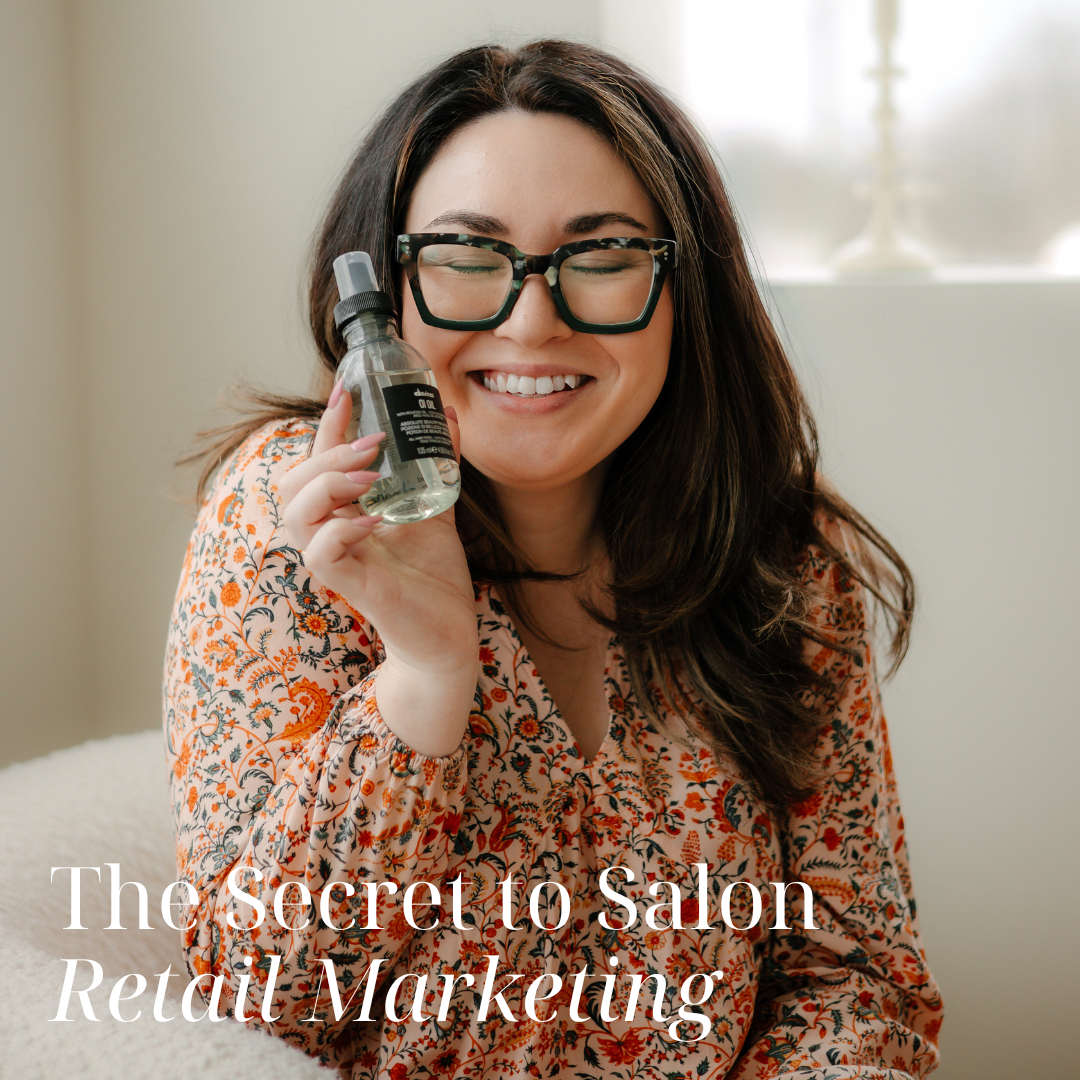
Retail marketing in the beauty industry works best when it feels natural to the guest experience.
From social media posts and in-salon conversations to product features and styling tutorials, the goal is simply to help guests better understand how to care for their hair between visits.
When done well, retail becomes less about transactions and more about building trust.
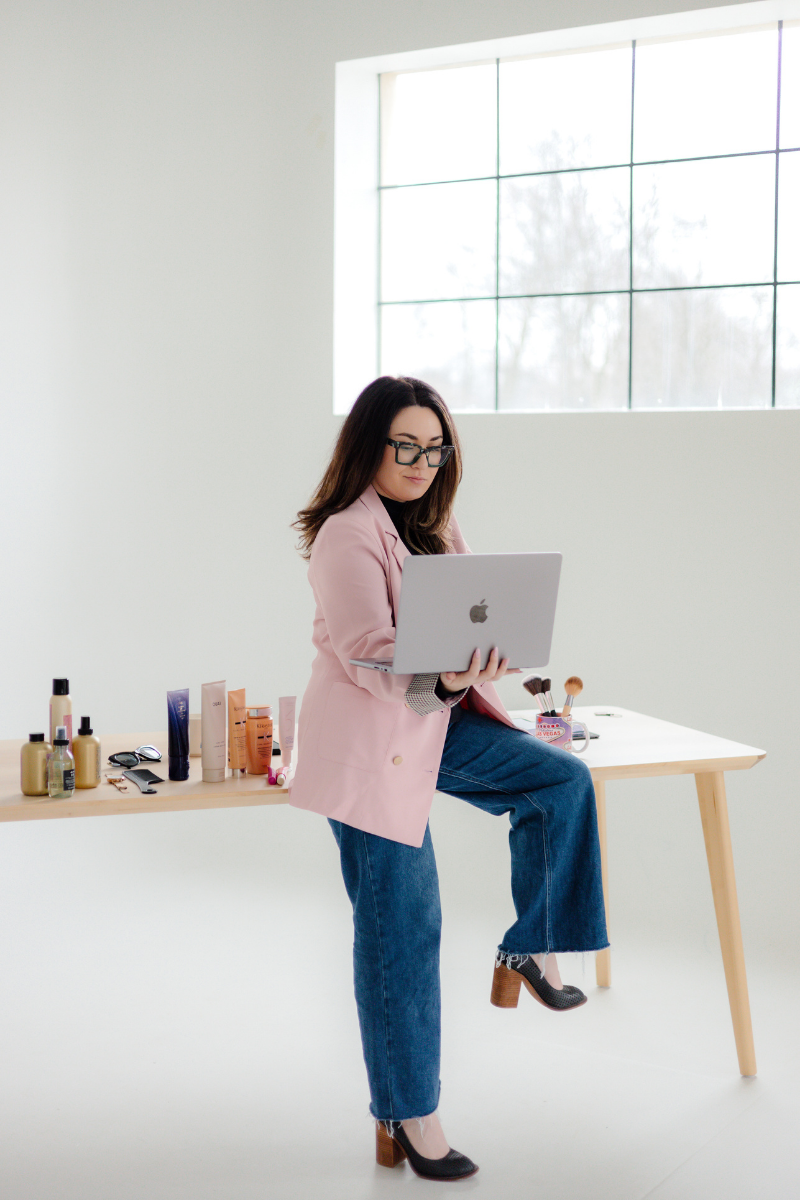
Why Retail Marketing Matters
Retail marketing isn’t just about products.
It’s about supporting your guest experience outside of the salon chair.
Today’s guests are constantly consuming beauty content online. They’re seeing tutorials, product reviews, trends, influencer recommendations, and endless advice on TikTok, Instagram, and YouTube.
Your salon has an opportunity to become part of that conversation in a way that feels professional, approachable, and personalized.
Consistent retail marketing can help:
- Educate guests on proper hair care
- Reinforce the value of professional products
- Improve at-home results
- Extend the life of salon services
- Strengthen trust between guests and stylists
- Keep your salon top-of-mind between appointments
When guests understand why products matter and how they support their hair goals, they’re more likely to stay connected to your salon long-term.
Retail Marketing Starts With Education
One of the easiest ways to improve retail performance is by focusing less on “selling” and more on sharing helpful information.
Some of the strongest salon retail marketing happens through:
- Product spotlight posts on social media
- Reels showing how stylists use products during services
- Seasonal haircare education
- Styling tutorials and tips
- Product pairings for specific hair concerns
- Conversations during consultations and styling appointments
- Before-and-after transformations supported by proper home care
- Current information on your website
Guests often don’t realize how much professional products impact the longevity of their color, extensions, curls, smoothing treatments, or overall hair health.
Simple education helps bridge that gap.
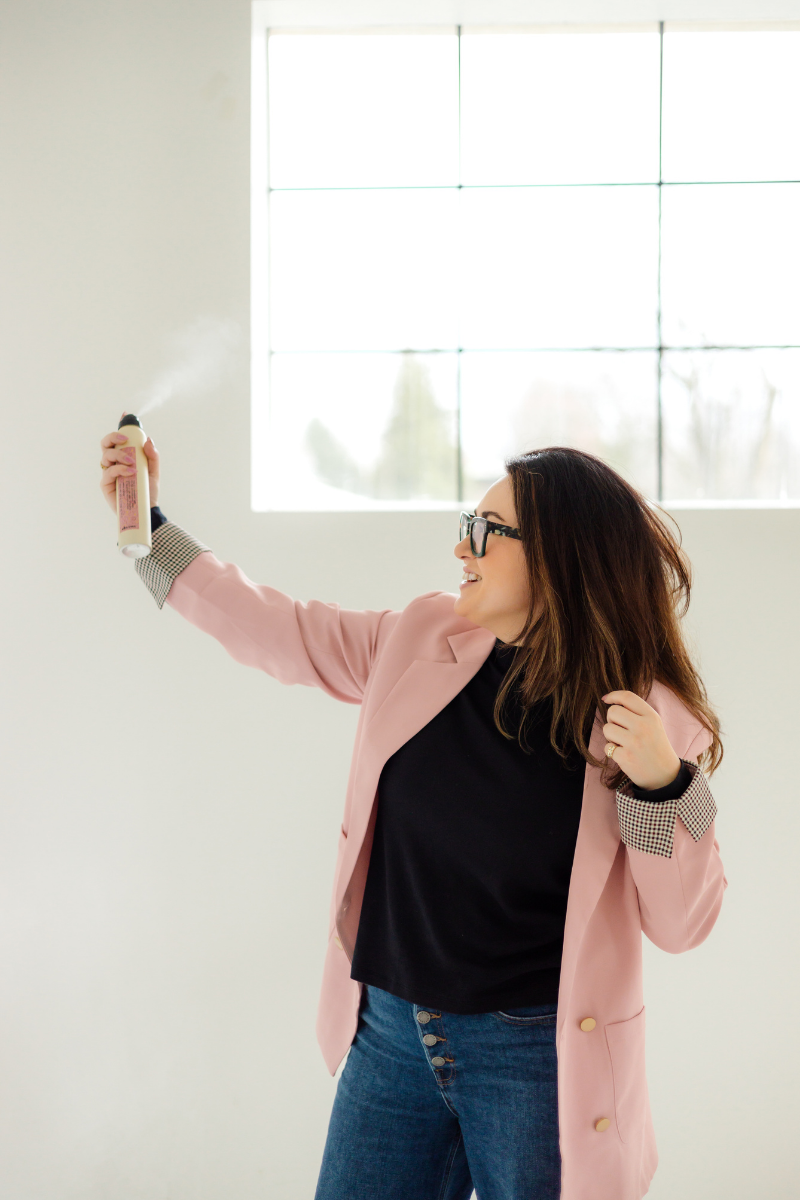
Social Media Can Support Retail Naturally
Retail marketing doesn’t always need to feel promotional.
Some of the best-performing salon content simply shows products being used naturally throughout the guest experience.
Examples include:
- A stylist explaining why they used a specific leave-in conditioner
- A reel showing how to diffuse curly hair at home
- A “what we used today” product breakdown after a transformation
- Product recommendations for humidity, blonding care, extensions, or scalp health
- Team favorites or “currently loving” product features
- Seasonal routines like summer repair or winter moisture care
This type of content builds familiarity over time.
When guests repeatedly see products integrated naturally into services and education, retail becomes part of the salon experience rather than an afterthought.
How Your Website Can Support Retail Marketing
A salon’s website can play a major role in retail education
Dedicated product pages, seasonal haircare blogs, and educational content about ingredients, routines, and styling tips help guests continue learning long after they leave the salon.
Many salons also find success with recurring features like “Product of the Month,” education, or stylist-led “Current Favorites” where team members share the products they genuinely love and use behind the chair.
These types of features not only create a fresh website and social content consistently, but also make retail feel more personal, collaborative, and connected to the real salon experience.
Guests Trust Stylists They Learn From
One of the biggest advantages salons have is the relationship stylists build with their guests.
Clients spend hours in the chair asking questions about:
- Dryness
- Frizz
- Curl definition
- Color fading
- Styling struggles
- Scalp health
- Heat protection
- Volume and texture
These conversations create opportunities for education.
When stylists share knowledge naturally throughout the appointment, guests begin to associate the salon with expertise and care.
Retail recommendations feel far more authentic when they’re tied to real conversations, visible results, and personalized guidance.
Product Conversations Should Feel Helpful
Retail works best when products are framed as part of the overall guest experience.
Instead of pushing products, salons can focus on:
- Explaining why certain products were used during the service
- Showing guests how to recreate results at home
- Helping guests understand ingredient benefits
- Sharing maintenance tips for color, extensions, curls, or treatments
- Building customized routines around the guest’s goals
This creates a much more approachable experience for both stylists and guests.
Strong Retail Marketing Builds Long-Term Loyalty
The salons that succeed most with retail are often the ones that consistently show up with education and value.
Over time, guests begin to:
- Trust recommendations more deeply
- Associate products with successful results
- Feel more confident maintaining their hair at home
- Return for services more consistently
- Stay engaged with the salon between visits
Retail marketing isn’t about convincing people to buy products they don’t need.
It’s about helping guests feel supported long after they leave the salon.
A Better Retail Mindset
Instead of asking:
“How do we sell more products?”
A stronger question may be:
“How do we better educate and support our guests?”
When salons focus on creating helpful content, building relationships, and sharing genuine expertise, retail becomes a natural extension of the guest experience.
And in many cases, the strongest retail strategies don’t feel like sales at all.
They feel helpful, intentional, and aligned with great salon marketing.